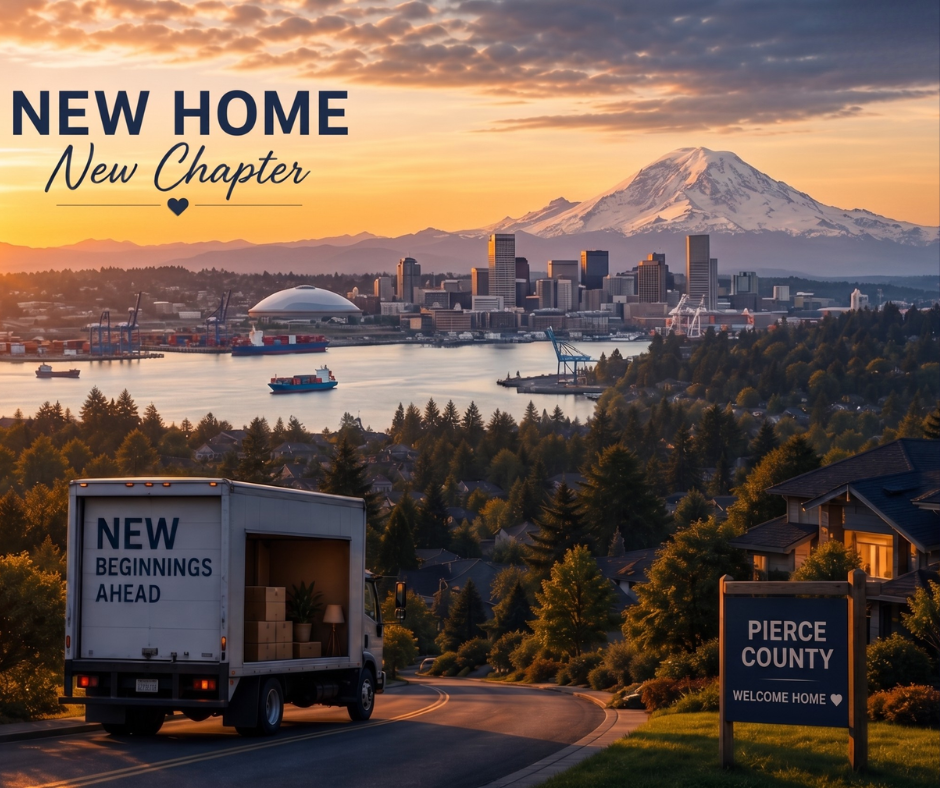
Tacoma Washington
Tacoma is home to roughly 220,000 residents and faces a projected $40 million General Fund deficit for the 2027–2028 biennium as inflation pushes municipal costs past incoming revenues.
Tacoma at a Glance (2020 Census)
-
Population: 219,346 residents (100% urban) with a median age of 36.9 years.
-
Households & Housing: 87,221 households across 92,309 housing units (5.5% overall vacancy). Single-person households make up 32.0%, while married couples account for 38.0%.
-
Demographics: 57.4% White, 13.2% Hispanic/Latino, 13.0% multiracial, 10.3% Black/African American, 9.2% Asian, 2.0% Native Hawaiian/Pacific Islander, and 1.8% American Indian/Alaska Native.
2027–2028 Budget Outlook & “Roadmap to Recovery”
-
The Fiscal Gap: City expenditures are increasing at 4.8% annually, nearly double the 2.9% revenue growth rate, creating a $40 million structural deficit.
-
Key Drivers: Compounding national inflation, volatile fuel prices, high material costs, and a 41% surge in city employee healthcare expenses between 2021 and 2025.
-
City Strategy: Rather than making reactive cuts, the City is implementing a multi-biennium plan through 2030 focused on protecting core public safety and infrastructure while negotiating sustainable solutions with 31 labor bargaining units.
-
Community Input: Residents can weigh in on budget priorities through surveys and the interactive Balancing Act tool at tacoma.gov/roadmaptorecovery.
Neighborhoods
-
Tacoma’s neighborhoods reflect its history as an industrial port turned cultural center, featuring coastal enclaves, historic streetcar suburbs, energetic commercial corridors, and diverse residential pockets.
North End & Proctor
-
Vibe: Affluent, historic, and highly walkable.
-
Characteristics: Dominated by restored Craftsman bungalows, Victorians, and tree-lined streets near the University of Puget Sound.
-
Highlights: The Proctor District serves as its commercial core, home to the Blue Mouse Theatre, weekly farmers market, local boutiques, and independent grocers. It borders Old Town—Tacoma’s original settlement along Commencement Bay—and provides quick access to the Ruston Way waterfront path.
Stadium District
-
Vibe: Dense, historic, and architectural.
-
Characteristics: Bridges downtown and the North End, named after the French chateau-style Stadium High School and its bowl overlooking the bay.
-
Highlights: Packed with historic brick apartment buildings, coffee shops, neighborhood taverns, and Wright Park—a 27-acre arboretum featuring the W.W. Seymour Botanical Conservatory.
Downtown & Museum District
-
Vibe: Urban, arts-centric, and transit-connected.
-
Characteristics: Built on a steep slope rising from the Foss Waterway, centered along Pacific Avenue and the fare-free T Line light rail.
-
Highlights: Home to the University of Washington Tacoma campus, the Museum of Glass, the Tacoma Art Museum, and the historic Theater District, alongside converted industrial brick lofts and breweries.
Hilltop
-
Vibe: Historic, evolving, and community-driven.
-
Characteristics: Perched directly above downtown, Hilltop is a historically Black cultural hub that has experienced significant transit-oriented development following the T Line light rail expansion along Martin Luther King Jr. Way.
-
Highlights: Centered around local dining, murals, People’s Park, community clinics, and direct views of Mount Rainier.
6th Avenue & Central Tacoma
-
Vibe: Energetic, indie, and nightlife-focused.
-
Characteristics: A mix of classic mid-century homes, bungalows, and a bustling central avenue that serves as Tacoma’s primary live music and indie retail corridor.
-
Highlights: Dense cluster of record shops, vintage stores, dive bars, craft cocktail lounges, and independent restaurants between Alder and State streets.
Lincoln District & South End
-
Vibe: Culturally rich and food-oriented.
-
Characteristics: Anchored by Lincoln High School and a vibrant international business district centered along South 38th Street.
-
Highlights: Renowned for Vietnamese restaurants, Asian grocers, and international bakeries. Housing consists primarily of modest single-family Craftsman and mid-century homes.
South Tacoma
-
Vibe: Blue-collar roots, industrial, and affordable.
-
Characteristics: Positioned along South Tacoma Way and historic rail corridors, with a revived business district (the Edison neighborhood) featuring vintage shops, craft cideries, and live music venues.
-
Highlights: Houses the South Tacoma Sounder commuter rail station, providing direct transit access to Seattle.
Eastside
-
Vibe: Residential, green, and diverse.
-
Characteristics: A historically working-class, culturally diverse quadrant of the city that includes the Salishan community and newer master-planned developments.
-
Highlights: Home to Swan Creek Park—featuring mountain bike trails and salmon habitat—as well as extensive community gardens and views looking back toward the Port of Tacoma and Mount Rainier.
West End & Point Ruston
-
Vibe: Coastal, suburban, and recreational.
-
Characteristics: Spans from traditional suburban neighborhoods out to the tip of the peninsula at Point Defiance Park (a 760-acre park with old-growth forest, zoo, and beaches).
-
Highlights: Includes Point Ruston, a modern, dense waterfront development built on a former copper smelter site that features high-end condominiums, dining, splash pads, and ferry views.
-
